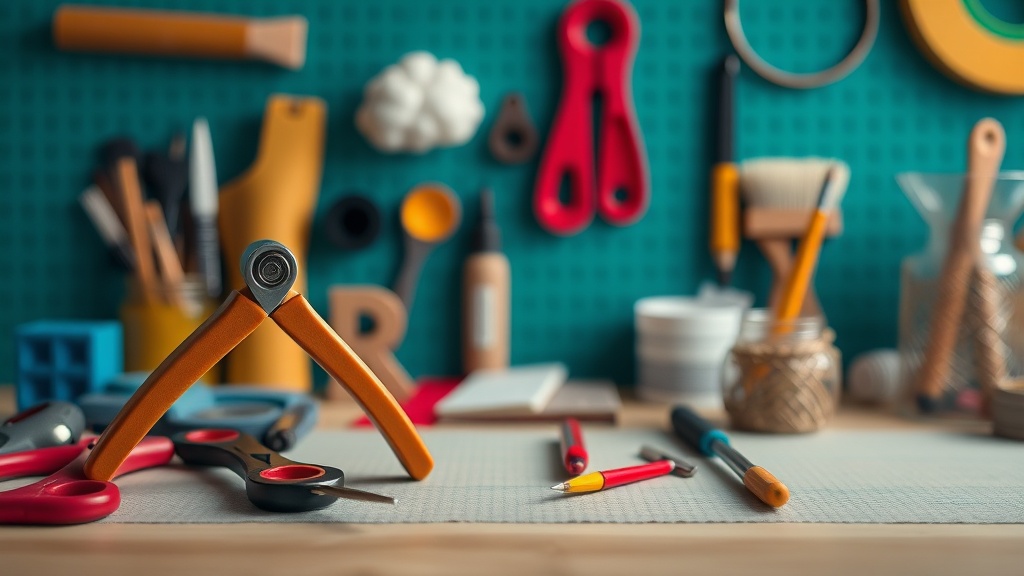
10 Must-Have Tools Every Beginner Crafter Needs in Their Kit

Self-Healing Cutting Mat
Precision Craft Scissors
Hot Glue Gun with Extra Sticks
Metal Ruler and Craft Knife Set
Acrylic Paint Set with Brushes
Starting a new craft hobby feels overwhelming. Walk into any art supply store and shelves overflow with gadgets, gizmos, and specialty items promising professional results. The truth? Most beginners waste money on tools they'll never touch while missing the basics that make projects actually enjoyable. This guide cuts through the noise — ten reliable tools that form the foundation of nearly every craft discipline, from paper crafts to woodworking. These are the workhorses that stay in a kit for years, not the trendy one-hit wonders gathering dust in a drawer.
What Tools Do Beginner Crafters Actually Need?
The answer depends on the craft, but certain tools cross boundaries. Scissors, cutting mats, and quality adhesives work for paper artists, sewists, and mixed-media creators alike. The key is versatility — items that earn their keep across multiple projects.
Don't rush out and buy everything at once. That's a recipe for regret and an empty wallet. Instead, start with these fundamentals and add specialty items as skills grow. Quality beats quantity every time. A single pair of sharp fabric scissors outlasts three cheap pairs that fray edges and frustrate beginners.
1. A Self-Healing Cutting Mat
This is non-negotiable. A good cutting mat protects work surfaces and extends blade life on rotary cutters and craft knives. The self-healing surface closes up after cuts, preventing grooves that snag materials. Look for a double-sided mat with grid lines — inches on one side, centimeters on the other.
The Alvin Professional Cutting Mat (available in multiple sizes) offers a durable 3mm thickness that won't warp. For apartment dwellers with limited space, even a 12×18 inch mat makes a difference. Store it flat or hanging — never rolled long-term or folded. Heat and direct sunlight damage the surface, so keep it away from windows.
Worth noting: Mats do wear out. Deep cuts that don't heal indicate replacement time. A worn mat damages projects more than no mat at all.
2. Precision Scissors (Two Pairs Minimum)
One pair for paper. One pair for fabric. Never the twain shall meet. Paper dulls blades fast — using fabric scissors on cardstock ruins them for cloth work. Label the handles with tape or paint to avoid mix-ups.
For paper, Fiskars Softgrip Scissors offer comfortable handles and sharp stainless steel blades at a reasonable price point. For fabric, Gingher 8-Inch Knife Edge Dressmaker's Shears cut cleanly through multiple layers without hand fatigue. The investment pays for itself in frustration saved.
Small detail scissors (4-5 inches) handle intricate work — cutting appliqué shapes, trimming thread ends, or snipping in tight corners. Add these after mastering the basics.
3. A Reliable Rotary Cutter
Straight lines make professional-looking projects. While scissors work, a rotary cutter plus ruler combo produces cleaner edges faster. Quilters swear by them, but paper crafters and leatherworkers benefit too.
The Olfa 45mm Deluxe Handle Rotary Cutter remains an industry standard. The blade retracts for safety, and replacement blades install easily. Always cut away from the body, keep fingers clear of the blade path, and never leave it unattended around children or pets — these tools cause serious injuries.
Replace blades at the first sign of dragging or skipped cuts. A dull blade requires more pressure, increasing slip risks and producing ragged edges. Stock up on refills during sales.
How Much Should Beginners Spend on Craft Supplies?
Start with around $100-150 for quality basics. Cheaper tools create expensive problems — imprecise cuts waste materials, poor adhesives fail, and uncomfortable handles cause hand strain. That said, mid-range options often perform as well as premium brands for hobbyists.
| Tool Category | Budget Option | Mid-Range Pick | Worth the Splurge? |
|---|---|---|---|
| Cutting Mat | Dahle Vantage ($20) | Alvin Professional ($35) | No — mats wear out regardless of price |
| Scissors | Fiskars Original ($15) | Gingher Dressmaker's ($35) | Yes for fabric scissors |
| Rotary Cutter | Olfa Standard ($12) | Olfa Deluxe ($20) | Yes — ergonomics matter |
| Glue Gun | Stanley Mini ($8) | Surebonder PRO2 ($25) | Yes — temperature control prevents burns |
| Ruler/Measuring | Plastic school ruler ($3) | Aluminum cork-backed ($12) | Yes — accuracy matters |
Watch for sales at Michaels, Jo-Ann Fabrics, and Blick Art Materials. Coupon stacking (using a percentage-off coupon on already-reduced items) saves serious money. Estate sales and thrift stores yield quality vintage tools for pennies on the dollar — old scissors often outcut new ones.
4. A Quality Glue Gun
Hot glue bonds quickly and holds strong. For paper crafts, fabric embellishments, floral arranging, and quick repairs, nothing beats the speed. The catch? Cheap guns drip, have inconsistent temperatures, and sometimes melt themselves.
The Surebonder PRO2-100 offers adjustable temperature settings — low temp for delicate materials, high temp for strong bonds. The fine tip nozzle places adhesive precisely where needed. Always use a silicone mat underneath — drips happen, and dried glue peels right off silicone.
Buy quality glue sticks. Off-brand sticks often have uneven melting points and yellow over time. Surebonder or AdTech multi-temp sticks work reliably across projects.
5. Measuring Tools That Don't Lie
Crafting demands accuracy. "Close enough" creates wonky quilts, ill-fitting garments, and crooked picture frames. A 6-inch × 24-inch quilting ruler (clear acrylic with grid markings) serves multiple purposes — measuring, cutting straight edges, and squaring corners.
Add a seam gauge for sewing projects, a small metal ruler for detailed work, and a measuring tape for body measurements or large pieces. The Omnigrid Ruler set covers most bases without breaking the bank.
Check metal rulers for true straightness before buying — press two together and look for gaps. Even small deviations ruin projects. Cork-backed rulers grip surfaces better and don't slide during cutting.
Which Craft Tools Last a Lifetime?
Quality cutting tools, well-maintained, outlast their owners. Hand-forged scissors from Germany or Japan, properly cared for, cut cleanly for decades. Wooden handled tools — awls, bone folders, embossing tools — age beautifully and feel better in hand than plastic alternatives.
6. A Bone Folder
This simple tool scores paper, burnishes folds, and creates crisp edges for cards, bookbinding, and origami. The name comes from traditional materials (actual bone), though modern versions use Teflon or durable plastic. The Lineco Bone Folder offers versatility without staining paper like some cheaper alternatives.
Bookbinders consider this tool indispensable. Card makers achieve professional-looking scored fold lines. Even gift wrapping looks better with crisp, pressed edges. At under $10, it's a small investment with outsized returns.
7. Needle-Nose Pliers and Wire Cutters
Jewelry making requires these, but their utility extends further. Gripping small items, opening jump rings, cutting wire, bending metal — pliers handle tasks fingers can't. A basic set includes chain-nose pliers (general gripping), round-nose pliers (making loops), and flush cutters (clean wire cuts).
The Beadsmith Tool Set provides beginner-friendly options with comfortable grips. Look for tools with springs that keep jaws open — hand fatigue drops significantly. Store pliers in a roll or pouch to protect tips from damage.
Here's the thing: hardware store pliers work fine for heavy-duty tasks, but jewelry-making requires precision tips. Standard pliers mar soft metals and lack the fine control needed for delicate work.
8. A Craft Knife (X-Acto or Similar)
For intricate cuts, stencils, and detailed paper work, nothing replaces a sharp craft knife. The classic X-Acto #1 Knife with #11 blades handles most tasks. Change blades frequently — a sharp blade cuts cleaner and safer than a dull one (dull blades require more pressure and slip easier).
Always cut on a proper mat, never toward the body, and use a metal ruler as a guide for straight cuts. Retract or cover blades when not in use. These knives cause more craft room injuries than any other tool — respect them.
9. Painter's Tape and Clips
Temporary holding matters. Pins damage some materials. Glue commits permanently. Painter's tape (blue or green) holds pieces in place for sewing, gluing, or planning layouts without residue. It's repositionable, tears easily, and releases cleanly from most surfaces.
Add binder clips, clothespins, and sewing clips (like Clover Wonder Clips) for materials where pins leave holes — leather, vinyl, laminates, and delicate papers. A variety pack handles different thicknesses and holding needs.
That said, remove painter's tape within 24 hours for best results. Left too long, adhesive can transfer or pull surface finishes. Test on a hidden area first with delicate or painted surfaces.
10. Storage That Actually Works
A cluttered workspace kills creativity. The best tools matter little if they can't be found. Start simple: a basic toolbox for hand tools, clear plastic shoeboxes for supplies (visible contents, stackable), and a pegboard or wall organizer for frequently used items.
The ArtBin Solutions Box series offers customizable compartments for small items — beads, buttons, findings, hardware. Label everything. Future self will thank present self when searching for that specific shade of embroidery floss at 11 PM.
Vertical storage saves space. Magazine holders corral paper and patterns. Thread racks display spools for easy color matching. Even a simple over-door shoe organizer creates pockets for supplies in cramped spaces.
As skills develop, tool needs expand. A beginning sewer eventually wants pinking shears and a serger. A paper crafter accumulates punches and die-cutting machines. But these ten fundamentals — cutting surfaces, sharp scissors, measuring tools, adhesives, and organization — form the backbone of every successful craft journey. Buy quality versions of these basics, maintain them properly, and they'll serve reliably through thousands of projects.