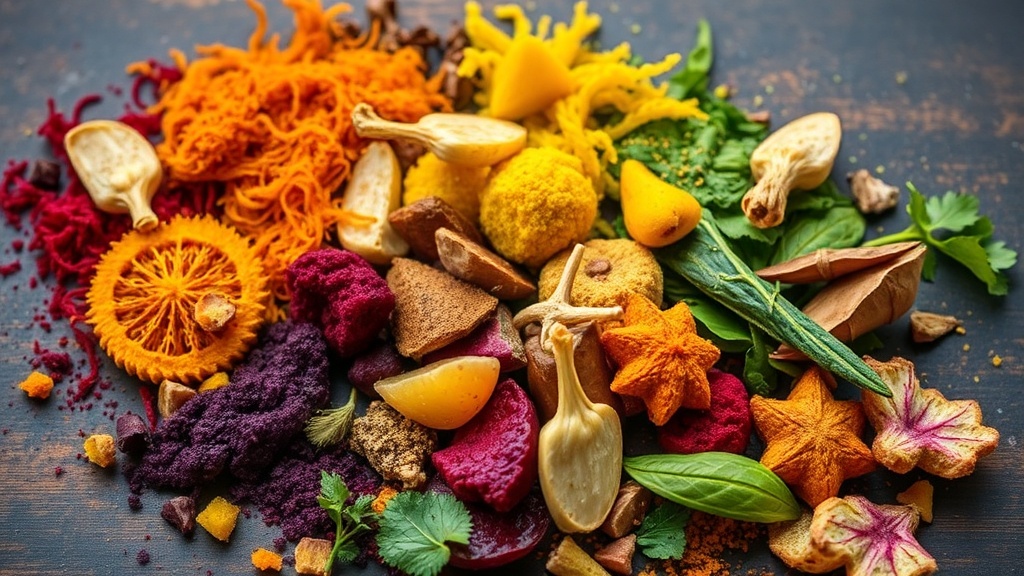
Mixing Natural Pigments from Kitchen Scraps

Quick Tip
Always test a small scrap of fabric first to see how your natural dye reacts to different mordants.
You’re staring at a pile of beet scraps and onion skins, wondering if they're just compost material or potential art supplies. This post explains how to turn common kitchen leftovers into vibrant, natural pigments for painting or fabric dyeing. Using organic matter for color is a sustainable way to experiment with texture and hue without buying expensive synthetic dyes.
What Can I Use to Make Natural Pigments?
You can create a wide range of colors using common items like avocado pits, red cabbage, or even turmeric. Each ingredient yields a different shade depending on how you process it.
- Red Cabbage: Produces soft blues and pur-ples (if you add a bit of baking soda to shift the pH).
- Avocado Pits: Surprisingly, these create a beautiful, muted dusty pink.
- Turmeric: This provides a bright, punchy yellow that stains almost everything.
- Onion Skins: Yellow skins give you gold, while red skins yield deep ambers.
The process usually involves simmering the scraps in water to extract the pigment. It’s a slow burn—literally. You'll want to strain the liquid through a fine mesh sieve or a piece of cheesecloth to ensure you don't get grit in your final medium.
How Do I Make Pigment Last?
To make your colors permanent, you need to use a mordant to bind the pigment to your surface. A mordant is a substance that fixes the dye to the material, preventing it from washing out or fading too quickly.
For paper or watercolor painting, you might mix your extract with a binder like gum arabic. If you're working with textiles, you'll need to pre-treat your fabric. For example, many crafters use an alum soak. You can find more technical details on organic chemical properties through Wikipedia's entry on mordants.
| Scrap Type | Resulting Color | Best Use |
|---|---|---|
| Red Onion Skins | Amber/Orange | Cotton or Silk |
| Turmeric | Bright Yellow | Paper or Fabric |
| Blackberry Stems | Muted Purple | Watercolor Paper |
Worth noting: natural dyes are notoriously fickle. A slight change in your water's pH can turn a blue cabbage extract into a bright pink instantly. It's a bit of a science experiment (and a fun one at that).
Is It Safe to Use Food Scraps for Art?
While these materials are food-grade, the resulting dyes can still stain your skin and surfaces. Always wear gloves and use old containers that you don't mind staining—I've ruined a perfectly good glass jar with turmeric once, and it's not coming out.
If you want to move toward a more sustainable creative practice, this is a great place to start. It keeps waste out of the landfill and keeps your studio smelling like a kitchen rather than a chemical factory. Just don't try to cook your dinner with the pigment-heavy water afterward!