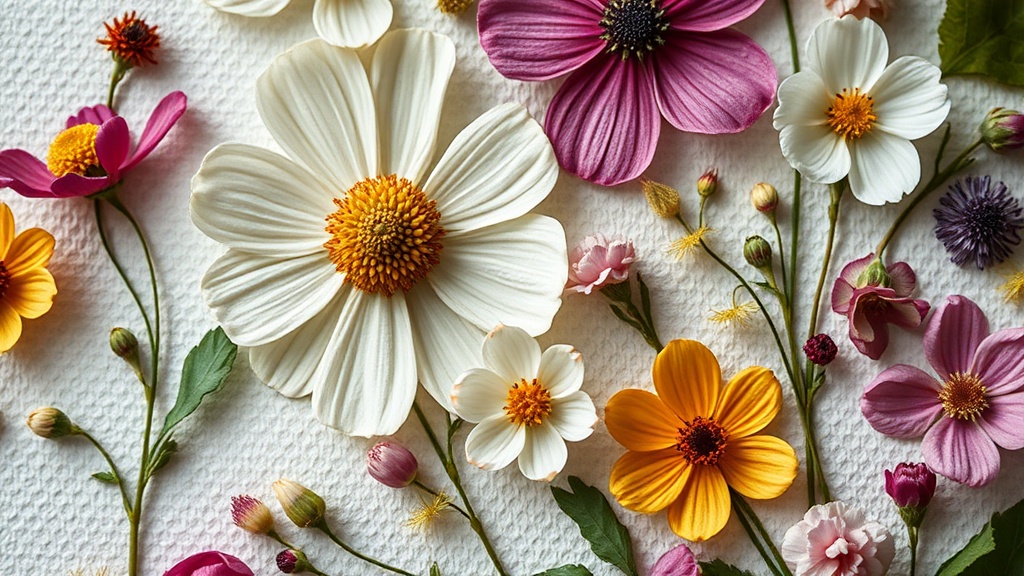
The Art of Pressed Flowers: Preserving Nature's Beauty in Handmade Crafts

This guide covers everything needed to press flowers at home, from selecting blooms and choosing the right pressing method to creating finished projects like framed art, greeting cards, and resin jewelry. Whether you're a complete beginner or looking to refine your technique, you'll find practical steps, recommended tools, and project ideas that transform garden clippings into keepsakes that last for years.
How Do You Press Flowers for Crafts?
The process involves flattening fresh flowers between absorbent materials and applying steady pressure until all moisture evaporates. Done right, pressed flowers retain their color and shape for decades. Here's the thing — the method you choose depends on your timeline, budget, and how much equipment you want to invest.
The Book Method
This is the original approach. You'll need heavy books (phone books work beautifully), parchment paper or coffee filters, and patience. Place flowers between paper sheets, close the book, and stack more weight on top. Wait two to four weeks. The downside? Flowers can stick to cheap paper, and humidity warps everything.
Best flowers for this method: pansies, violets, ferns, and flat-petaled daisies. Thick blooms like roses or peonies won't flatten well without special preparation.
Flower Presses
A proper flower press — like the Walnut Hollow Wooden Flower Press or the Microwave Flower Press by Studio Pack — delivers consistent results faster. These tools use layers of corrugated cardboard, blotting paper, and tightening screws to distribute pressure evenly across the entire flower.
Prices range from $15 for basic plywood models to $60 for professional-grade presses with multiple layers. The investment pays off if you plan to press flowers regularly. Worth noting: wooden presses look charming displayed on a craft room shelf.
Microwave Pressing
For same-day results, microwave flower presses (paired with silica gel) speed the drying process to minutes instead of weeks. The Microfleur Max is the best-known option — it runs around $35 and uses a plastic frame with clips to hold flowers between fabric liners.
The catch? Not all flowers handle microwave heat well. Delicate petals can scorch, and colors sometimes shift unpredictably. Experiment with garden weeds first.
| Method | Time Required | Cost | Best For |
|---|---|---|---|
| Heavy Books | 2-4 weeks | Free (using household items) | Casual hobbyists, flat flowers |
| Wooden Flower Press | 1-2 weeks | $15-$60 | Regular crafters, consistent results |
| Microwave Press | 2-5 minutes | $30-$50 | Last-minute projects, sturdy blooms |
| Silica Gel Drying | 2-7 days | $10-$20 per container | 3D preservation, thick flowers |
What Flowers Press Best for Art Projects?
Not every bloom flattens beautifully — some turn brown, others lose petals, and thick centers never dry properly. Success starts with choosing the right specimens and picking them at the optimal moment.
Top Performers
Violets and pansies are practically foolproof. Their flat structure and thin petals dry quickly while holding vibrant purples and yellows. Ferns and foliage add texture and press flatter than you'd expect. Larkspur, cosmos, and Queen Anne's lace bring delicate, lacy elements to compositions. Butterflies weed, verbena, and lobelia offer tiny clustered flowers perfect for jewelry or card details.
You'll want to harvest flowers in late morning after dew evaporates but before afternoon heat stresses them. Avoid flowers with visible damage, browning edges, or insect visitors. (Leave the bees alone — they'll find other blooms.)
Flowers to Skip or Prep Differently
Thick roses, peonies, and tulips need special handling. Either pull petals apart and press individually, or use silica gel to maintain their dimensional shape. Activa Flower Drying Art Silica Gel (available at Michaels or Amazon for about $12) preserves the natural cupped form of roses — beautiful for shadow boxes and display cases.
Succulents and waxy tropical flowers rarely dry well through pressing. They're better candidates for resin projects using fresh material, though that's a different technique entirely.
Where to Source Flowers
Your own garden is ideal — you control pesticide use and harvest timing. Fredericton's City Market vendors often sell small bunches of seasonal blooms perfect for pressing. For wildflowers, the trails around Killarney Lake and Odell Park offer lupines, daisies, and ferns (just follow local foraging guidelines and never take more than 10% of any patch).
Don't overlook grocery store bouquets. That $5 bunch of alstroemeria from Sobeys or Atlantic Superstore yields a dozen pressable flowers. Strip the leaves, cut stems short, and press individual blooms rather than whole stems.
How Do You Seal and Display Pressed Flowers?
Once dried, pressed flowers become fragile — humidity makes them limp, sunlight fades them, and rough handling destroys petals. Proper sealing and display methods protect your work while showcasing the botanical details.
Sealing Options
Mod Podge remains the go-to adhesive for most paper projects. Apply a thin layer to your cardstock, position the flower, then brush another light coat over the top. (Don't overdo it — excess glue turns cloudy and can discolor petals.) The Mod Podge Matte formula works best for pressed flower art — the gloss version reflects light and distracts from delicate details.
For jewelry and items that need waterproofing, UV resin (like ArtResin or Amazing Clear Cast) encases flowers in hard, crystal-clear domes. You'll need a UV lamp ($20-$40 on Amazon) or patience for 24-48 hour curing with two-part epoxy resins.
That said, some purists skip sealants entirely on framed pieces — opting instead for double glass or acrylic sandwiching that protects without touching the flower surface. Museum-quality frames with spacers prevent crushing while blocking UV damage.
Project Ideas by Skill Level
Beginner: Greeting cards using pre-cut cardstock from Hobby Lobby or Dollar Tree. Simple arrangements, minimal flowers, Mod Podge sealing. Bookmarks laminated at Staples or using self-sealing pouches.
Intermediate: Framed botanical arrangements in IKEA RIBBA frames (the shadow box depth accommodates layered designs). Candles with pressed flowers adhered to the exterior and sealed with wax paper — never burn these, they're decorative only.
Advanced: Resin jewelry in silicone molds from Let's Resin or Perfect Resin. Wedding invitation overlays with custom-pressed blooms matching the bride's bouquet. Lampshades using Mod Podge to attach flowers to vellum panels.
Storage and Longevity
Pressed flowers last years stored properly. Keep them in airtight containers away from light and moisture — photo storage boxes from Archival Methods or even resealable bags inside dark drawers work fine. Add silica gel packets (save them from shoe boxes and electronics) to absorb residual humidity.
Worth noting: colors fade. Reds shift toward purples, purples turn grayish, yellows hold longest. Some artists embrace this — vintage pressed flower books from the 1800s possess a particular faded beauty. Others photograph their fresh pressed flowers before fading begins, creating archival digital prints alongside physical pieces.
What Tools Do You Actually Need to Start?
Starting out requires less equipment than most craft hobbies. You can begin with items already in your home and add specialized tools as your interest grows.
The Basics ($0-$20)
Heavy books, parchment paper, tweezers (for positioning), and patience. A pair of fine-point Tweezerman tweezers from the drugstore helps place tiny flowers without crushing petals. White glue thinned with water works in place of Mod Podge for your first attempts.
Adding Efficiency ($20-$50)
A basic flower press speeds up drying and improves results. Scotch double-sided tape (the removable kind) temporarily holds flowers in place while you arrange compositions before final sealing. A small Fiskars precision knife helps trim stems and petals cleanly.
Professional Touches ($50+)
A Canon PIXMA TR8620 photo printer lets you create custom cardstock backgrounds. The Cricut Joy ($179) cuts precise card blanks and decorative layers. UV resin setups with lamps and silicone molds open jewelry possibilities.
Here's the thing — you don't need any of this to make something beautiful. Victorian women pressed flowers between Bible pages and created art that still survives in museums. Your $10 investment in good blotting paper and a used textbook from Value Village produces results nearly as lovely as any $200 setup.
Learning Resources
For detailed pressing techniques and flower identification, the International Pressed Flower Guild offers workshops and competitions. The Royal Botanic Gardens, Kew maintains one of the world's oldest pressed flower collections — worth browsing for inspiration on composition and preservation. Craftsy offers online classes in botanical art that include pressed flower modules with professional feedback.
Pressed flower crafting rewards patience in a world obsessed with speed. The two weeks waiting for a violet to flatten teaches something about slowing down. The results — a card that carries actual garden memories, a frame holding last summer's wildflowers — carry meaning that factory-made decorations never match. Start with what's in your yard. Press what catches your eye. Build from there.