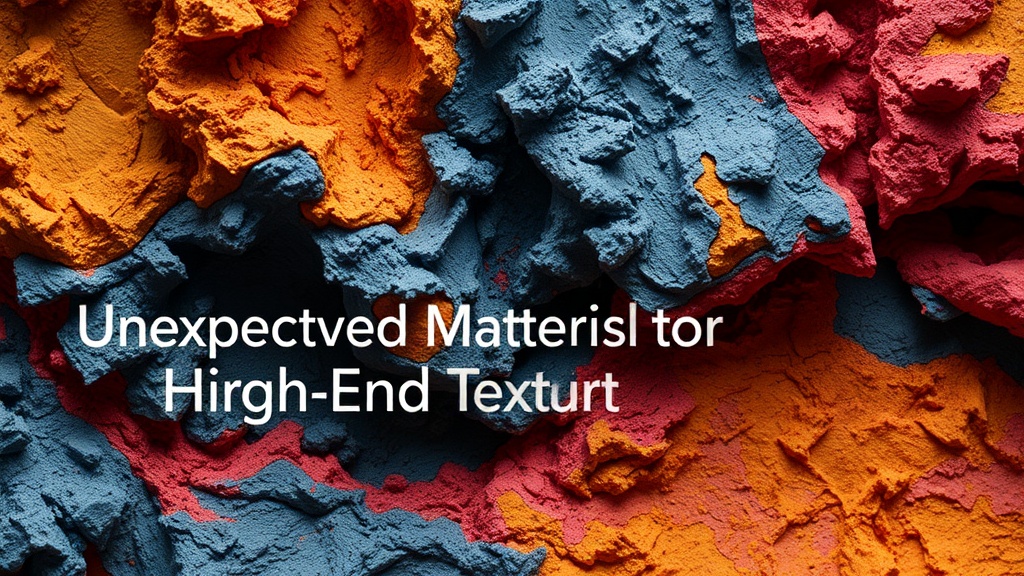
Unexpected Materials for High-End Textural Art

Sculpting with Modeling Paste and Sand
Integrating Fabric Scraps for Depth
The Magic of Coffee Grounds and Gesso
Nearly 70% of modern interior design trends for 2024 focus on tactile depth rather than just visual color. This shift toward "sensory interiors" means that the value of a piece of art is no longer just in the image, but in the physical shadows and ridges it creates. This post explores how to move beyond standard acrylic modeling paste and heavy gel by using non-traditional, often inexpensive materials to create high-end, sculptural textures.
Standard art supplies are great, but they often lack the grit or structural integrity needed for large-scale sculptural work. If you want to create something that looks like it belongs in a gallery rather than a craft store, you have to look outside the art aisle. We'll look at materials that provide weight, unexpected grain, and lasting durability.
What are the best materials for heavy texture?
The best materials for heavy texture are often found in construction or hardware stores rather than art supply shops. While professional modeling pastes work well for fine details, they can be expensive and sometimes too soft for deep, structural relief. To achieve high-end results, you'll want to experiment with substances that have high viscosity and a certain level of "tooth" once dry.
One of my favorite secrets for creating deep, craggy surfaces is using joint compound. It's incredibly cheap—you can buy a large bucket at a place like Home Depot—and it dries much harder than standard artist pastes. It creates a matte, plaster-like finish that feels very high-end when paired with a subtle metallic wash.
Here are a few top-tier materials for different textural effects:
- Baking Soda: Mixing this into acrylic paint creates a thick, paste-like consistency that mimics stone or weathered plaster.
- Coffee Grounds: Dried, used coffee grounds add a gritty, organic texture that works beautifully for earth-toned, brutalist-style pieces.
- Sand (Fine vs. Coarse): Fine sand provides a subtle grain, while coarse beach sand creates a rugged, topographic look.
- Sawdust: This is perfect for creating "wood-grain" or organic, fibrous textures that have real physical depth.
- Modeling Clay: For pieces that require actual 3D shapes (like a relief sculpture), adding small amounts of polymer clay can change the game.
It's important to note that these materials react differently to binders. If you use something like sand, you'll need a strong adhesive to keep it from falling off the canvas once it dries. Don't just mix it in; sometimes you need to layer it.
How much does it cost to make textural art?
The cost of making textural art depends on whether you use specialized art-grade mediums or repurposed industrial materials. Using industrial-grade materials can reduce your costs by up to 80% compared to buying high-end artist pastes.
| Material Type | Example Item | Estimated Cost | Best Use Case |
|---|---|---|---|
| Art Grade | Liquitex Heavy Gel | High ($$$) | Fine detail and translucent layers |
| Construction | Joint Compound | Low ($) | Large-scale relief and plaster effects |
| Natural/Organic | Sand or Coffee | Very Low ($) | Gritty, organic, or earth-toned art |
| Industrial | Cement/Mortar | Medium ($$) | Heavy, structural, permanent works |
If you're just starting out, I'd suggest the "low-cost" route first. There is no reason to buy a $40 jar of professional texture paste when a bag of sand or a tub of plaster from a hardware store does the job—often better. (Just make sure your canvas or substrate can actually support the weight of these heavier materials.)
One thing to watch out for: weight. If you're working on a standard stretched canvas, adding heavy materials like sand or cement can cause the fabric to sag or even tear. For these heavier projects, I always recommend using a wooden cradle board or a rigid panel. It's a small investment that prevents a lot of heartbreak later.
The Role of Binder and Adhesion
When you're working with "found" materials, the binder is your most important tool. If you just throw sand onto a canvas, it will eventually flake off. You need a medium that "grabs" the material. Acrylic gel medium is the gold standard here. It acts as the glue that holds your grit in place.
If you're using something like sawdust or coffee grounds, you might find that the material absorbs the liquid too quickly. In that case, you'll want to use a thicker, more viscous binder to ensure the texture stays where you put it. It's a bit of a balancing act—too much liquid and it becomes a mess; too little and it won't stick.
Can I use these materials on any surface?
No, you cannot use these materials on any surface, as the weight and chemical composition of the material must be compatible with your substrate. For example, using heavy joint compound on a thin, flexible canvas will almost certainly cause the canvas to warp or the material to crack as it dries.
If you want to experiment with heavy, gritty textures, you'll need to consider the structural integrity of your base. I've seen people try to use cement-based textures on standard-grade canvas, and it's a disaster. The canvas can't handle the tension. Instead, try these surfaces:
- Wooden Panels: These are the most reliable for heavy, 3D work.
- Masonite/Hardboard: A great, inexpensive option for much more rigid support.
- Heavy-Duty Canvas Wrappers: If you must use canvas, ensure it is a high-quality, heavy-weight linen or heavy cotton.
It's also worth looking into the principles of mixed media to understand how different substances react to one another. Some materials are acidic and might eat through certain paints, while others are purely physical and won't interact chemically with your colors. It's all about the science of the surface.
If you are moving from simple painting into more complex, three-dimensional work, you might also want to look at building a functional studio space on a budget. Having a dedicated area for the "messier" side of textural art—where you can use sand, sawdust, or plaster—is a great way to keep your more delicate work clean.
One thing to keep in mind: drying time. When you use heavy materials, the drying process isn't just hours—it can be days or even weeks. If you're using a thick layer of joint compound, it needs time to cure completely before you apply any top coats or glazes. If you rush it, you'll end up with cracks or a surface that remains "soft" and tacky indefinitely.
Texture isn't just about adding "stuff" to a surface. It's about how light hits that surface. A piece with deep, jagged ridges will look completely different at noon than it does under a dim lamp at 8:00 PM. That's the magic of textural art—it's a living, breathing part of the room's atmosphere.
Experiment with your materials. Don't be afraid to mix things that shouldn't technically go together. The most interesting art often comes from the mistakes made while testing the limits of a new medium.